
Even if you brush twice a day and floss most nights, cavities happen. They happen to kids. They happen to adults. They even happen to dentists sometimes. The important thing isn’t how a cavity got there. The important thing is what we do about it.
At our Carol Stream and Elgin offices, we have several ways to treat a cavity. Some are familiar. Some might surprise you. And the right choice depends on how big that cavity is and where it lives.
A Filling
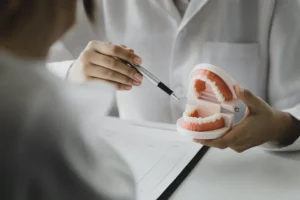
This is the most common treatment. When we catch a cavity early, we remove the decayed part of the tooth and fill the space with a material that looks and acts like your natural tooth. At our offices, we use tooth-colored composite resin. No metal. No dark spots. Just a filling that blends in so well you’ll forget it’s there.
The process takes about thirty minutes. We numb the area first, so you won’t feel anything except some vibration and pressure. Then we shape, polish, and send you on your way. You can eat normally as soon as the numbing wears off.
Fillings are for small to medium cavities. The kind that haven’t reached the inner layers of your tooth yet.
An Inlay or Onlay
Sometimes a cavity is too large for a simple filling but not large enough to need a full crown. That’s where inlays and onlays come in. They’re custom-made in a lab to fit the exact shape of your tooth. An inlay sits inside the grooves of your tooth. An onlay covers one or more of the tooth’s chewing points.
We take an impression, send it to the lab, and place a temporary filling while we wait. A couple weeks later, you come back, and we bond the permanent restoration in place.
The result is stronger and longer-lasting than a standard filling.
Root Canal
A root canal is necessary when the cavity has reached the pulp, the center of your tooth where the nerves and blood vessels live. At that point, the tooth is infected. Left untreated, that infection can turn into an abscess, which means swelling, pain, and potentially losing the tooth entirely.
We numb you up thoroughly. We create a tiny opening in the top of the tooth. Then we remove the infected pulp, clean out the inside of the tooth, and seal it with a special material. Finally, we place a crown on top to protect it.
Yes, the recovery takes a little longer. Yes, you might feel some soreness afterward. But most of our patients tell us the worst part was the anxiety before the appointment. The procedure itself was just fine.
And a root canal could save your natural tooth. The alternative is pulling it. And keeping your natural teeth is almost always better.
Extraction
Sometimes a cavity is so deep or so extensive that the tooth can’t be saved. Maybe too much structure is gone. Maybe the decay extends below the gumline. In those cases, we remove the tooth.
We don’t jump to this option lightly. We only recommend extraction when every other treatment has been ruled out. But when it’s necessary, we make the process as comfortable as possible. We numb the area. We remove the tooth gently. And we talk to you about replacement options, such as implants, bridges, or partial dentures, so you’re not left with a gap.
A Quick Note About Prevention
The best treatment for a cavity is never having one in the first place.
Brush twice a day. Floss once a day. Visit us every six months. And if we tell you that you’re at higher risk for cavities, listen. We might recommend prescription toothpaste, more frequent cleanings, or sealants for your kids.
Cavities are easier to prevent than they are to treat. But when they do happen, we’ve got you covered.
Your Next Step
If you’ve been told you have a cavity, or if you’re just not sure what’s going on with that tooth that’s been bothering you, give our Carol Stream or Elgin office a call. We’ll take a look, explain your options in plain English, and get you on the path to a healthy smile again.
No judgment. No pressure. Just honest help from neighbors who care.