
Bleeding gums are a surprisingly common issue, and while they’re often easy to ignore, they’re rarely something to shrug off. Healthy gums should be firm, pink, and not bleed during brushing or flossing. When bleeding shows up regularly, it’s usually your body’s way of signaling that something isn’t quite right. Understanding the most common causes can help you take action early and protect both your oral and overall health.
Poor Oral Hygiene
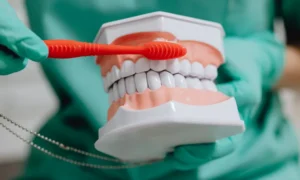
The most frequent cause of bleeding gums is inadequate oral hygiene. When brushing and flossing are inconsistent or ineffective, plaque builds up along the gumline. Plaque is a sticky film of bacteria that irritates the gums and triggers inflammation. Over time, this irritation causes the gums to become tender, swollen, and prone to bleeding, especially during brushing. If plaque isn’t removed, it hardens into tartar, which can only be removed by a dental professional. Once tartar forms, the risk of persistent gum bleeding increases significantly.
Gingivitis and Gum Disease
Gingivitis is the earliest stage of gum disease and a major contributor to bleeding gums. It develops when plaque buildup leads to inflammation of the gums. Common signs include redness, swelling, tenderness, and bleeding during routine oral care. The good news is that gingivitis is often reversible with proper dental care and improved hygiene habits.
If left untreated, gingivitis can progress into periodontitis, a more serious form of gum disease. At this stage, the gums begin to pull away from the teeth, creating pockets that trap bacteria. Bleeding may become more frequent, and tooth loss can eventually occur.
Brushing or Flossing Too Aggressively
Bleeding gums don’t always mean you’re neglecting your teeth. In some cases, brushing too hard or using a toothbrush with stiff bristles can damage delicate gum tissue. Aggressive flossing techniques can also cause small cuts in the gums, leading to bleeding. Switching to a soft-bristled toothbrush and using gentle, controlled motions can make a big difference. Healthy gums don’t require force to stay clean.
Hormonal Changes
Hormonal fluctuations can increase gum sensitivity and make bleeding more likely. This is particularly common during pregnancy, puberty, menstruation, and menopause. Changes in hormone levels affect how gums respond to plaque, often making them more reactive and inflamed even when oral hygiene is good. Pregnancy-related gum inflammation, sometimes called pregnancy gingivitis, is especially common and should be monitored closely by both a dentist and healthcare provider.
Nutritional Deficiencies
A lack of certain nutrients can weaken gum tissue and contribute to bleeding. Vitamin C plays a key role in maintaining healthy connective tissue, including the gums. When levels are low, gums may become swollen, tender, and prone to bleeding. Vitamin K is also important, as it supports normal blood clotting. Poor nutrition doesn’t just affect the gums. It can slow healing and make the mouth more vulnerable to infection overall.
Medical Conditions and Medications
Some underlying health conditions are associated with bleeding gums. Diabetes can reduce the body’s ability to fight infection, making gum inflammation more likely. Blood disorders and immune system conditions can also affect gum health. Certain medications contribute as well. Blood thinners, some heart medications, and even common pain relievers can increase the likelihood of gum bleeding by affecting clotting or tissue response.
Smoking and Tobacco Use
Tobacco use significantly impacts gum health. Smoking reduces blood flow to the gums, weakens the immune response, and masks early symptoms of gum disease. While smokers may not notice bleeding right away, the damage happening beneath the surface is often more severe, and gum disease tends to progress faster.
Treatment for Bleeding Gums in Carols Stream IL
At Carol Stream & Elgin Dental Associates, we are committed to helping you maintain a strong bite and healthy smile. If you experience frequent or intense bleeding gums, don’t hesitate to reach out. The sooner you take action, the less damage disease could cause. Contact our office to schedule a consultation and learn more about your treatment options for healthy gums.