
A custom mouthguard is more than just a piece of athletic equipment or dental protection. It’s an investment in your health, safety, and performance. Whether you’re using it for contact sports, nighttime teeth grinding, or orthodontic reasons, keeping your mouthguard in top condition is essential. Fortunately, with the right care and habits, you can significantly extend its lifespan and maintain its effectiveness.
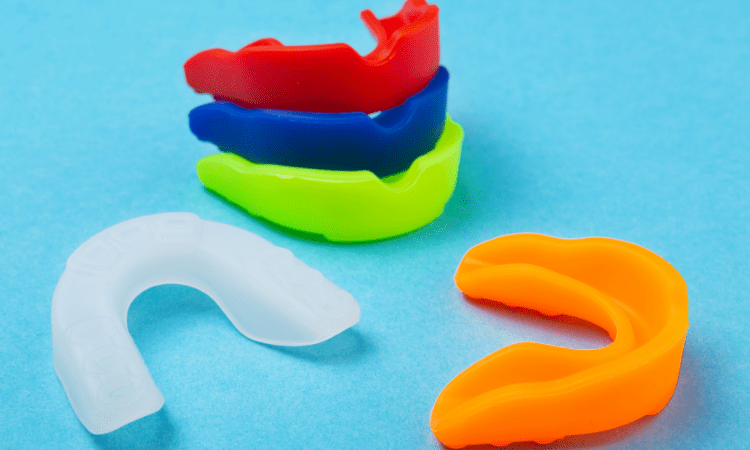
Clean It Regularly and Properly
Cleaning your mouthguard is the most important habit you can adopt to ensure it lasts. After every use, rinse it thoroughly with cool water. This removes saliva, bacteria, and any debris that may have collected on the surface. For deeper cleaning, use a soft toothbrush and non-abrasive toothpaste or mild soap. Avoid hot water, as it can warp the material, especially in custom-fit mouthguards made from heat-sensitive plastics.
Every few days, consider soaking your mouthguard in an antiseptic mouthwash or a specially formulated denture or retainer cleaning solution. This not only disinfects it but also helps prevent odors from developing. Just make sure to rinse it again with water before placing it back in your mouth.
Store It Correctly
Where you keep your mouthguard when it’s not in use can impact its durability. It should always be stored in a well-ventilated case that allows it to dry completely between uses. A case with small holes or vents is ideal, as it discourages bacteria and mold growth while protecting the mouthguard from damage or contamination. Avoid leaving your mouthguard in hot places, such as in a car or near a heater. Excessive heat can alter its shape and compromise the fit. Likewise, keep it away from direct sunlight for long periods, which can also degrade the material over time.
Keep It Away from Pets and Children
Pets, especially dogs, are notorious for chewing up mouthguards left within reach. The soft, rubbery texture can be irresistible to them. Children might also play with or accidentally damage it if they find it lying around. Always return it to its protective case and keep it stored out of reach when not in use.
Avoid Chewing on It
Some people have a habit of chewing or biting down on their mouthguard when it’s in place, particularly during high-stress moments in sports or while sleeping. This behavior can weaken the structure, create holes, or cause tears that reduce its effectiveness. Custom mouthguards are designed to fit comfortably and protect your teeth without needing to be constantly adjusted or bitten down on. If you find yourself chewing on it, mention it to your dentist. They might adjust the fit or recommend behavioral strategies to help.
Routinely Inspect for Wear and Tear
Even the best-maintained mouthguards won’t last forever. Over time, the material may thin, crack, or become discolored. These signs indicate that the mouthguard is no longer providing optimal protection and needs replacement. Make it a habit to inspect your mouthguard regularly under good lighting. Look for uneven wear, tears, or changes in shape. If anything looks off, bring it to your dentist for evaluation.
Get Professional Advice
Lastly, don’t hesitate to consult with your dentist about your mouthguard. They can check for wear, ensure the fit is still correct, and clean it professionally if needed. If your dental condition changes, such as getting braces or undergoing dental work, a new custom mouthguard might be required to accommodate the changes and provide continued protection.
Custom Mouthguards in Elgin, IL
At Carol Stream & Elgin Dental Associates, your oral health is our top priority. If you play contact sports or grind your teeth at night, a custom mouthguard could help prevent damage and disease. Contact our office today to schedule a consultation and learn more about how you can protect your smile.